














AI Systems & Foundation Models
Build the next generation of intelligent systems, foundation models, and explainable AI applications — pushing the boundaries of what AI can reason about and do.
Designed for accomplished professionals - leaders, practitioners, and innovators - with substantial experience who wish to operate at the highest strategic and research level in AI-enabled environments. Ideal for those seeking to lead transformative AI initiatives, influence organisational strategy, and transition into executive, advisory, or academic roles.
Graduates of the Professional Doctorate in Applied Artificial Intelligence are prepared to lead applied AI research, drive strategic innovation, and bridge technical teams with organizational leaders for effective implementation. They also champion ethical AI, promoting responsible, inclusive, and sustainable adoption of AI technologies.
By designing our degrees from scratch, we have redefined the learning experience to meet the evolving needs of both academic and professional worlds.


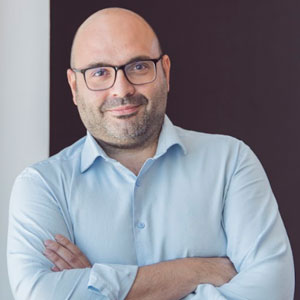
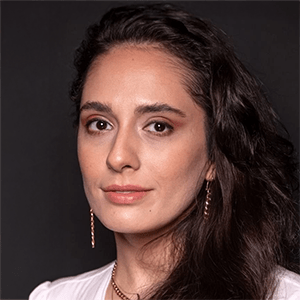
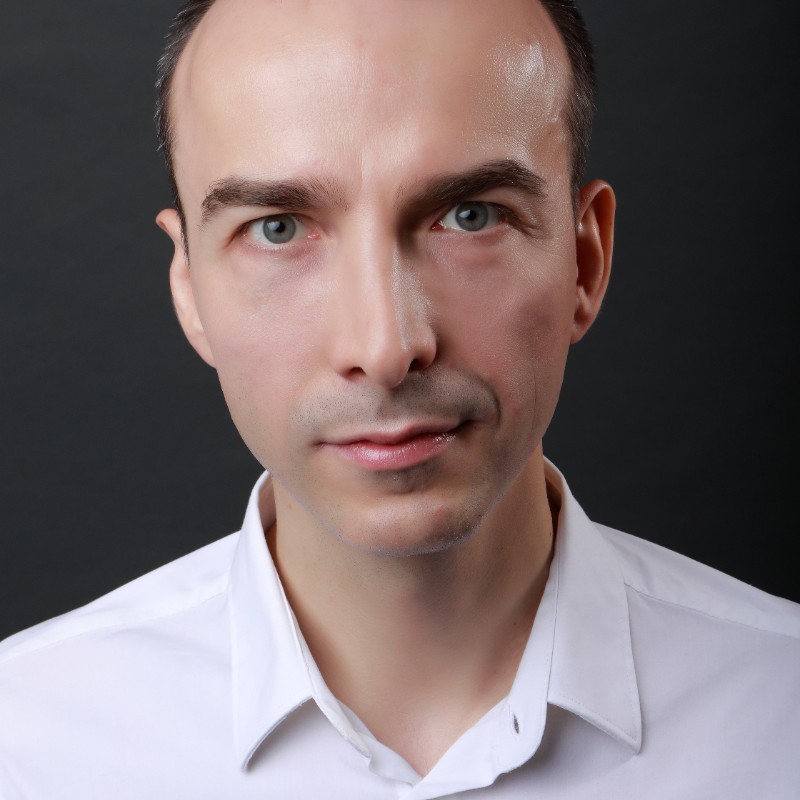
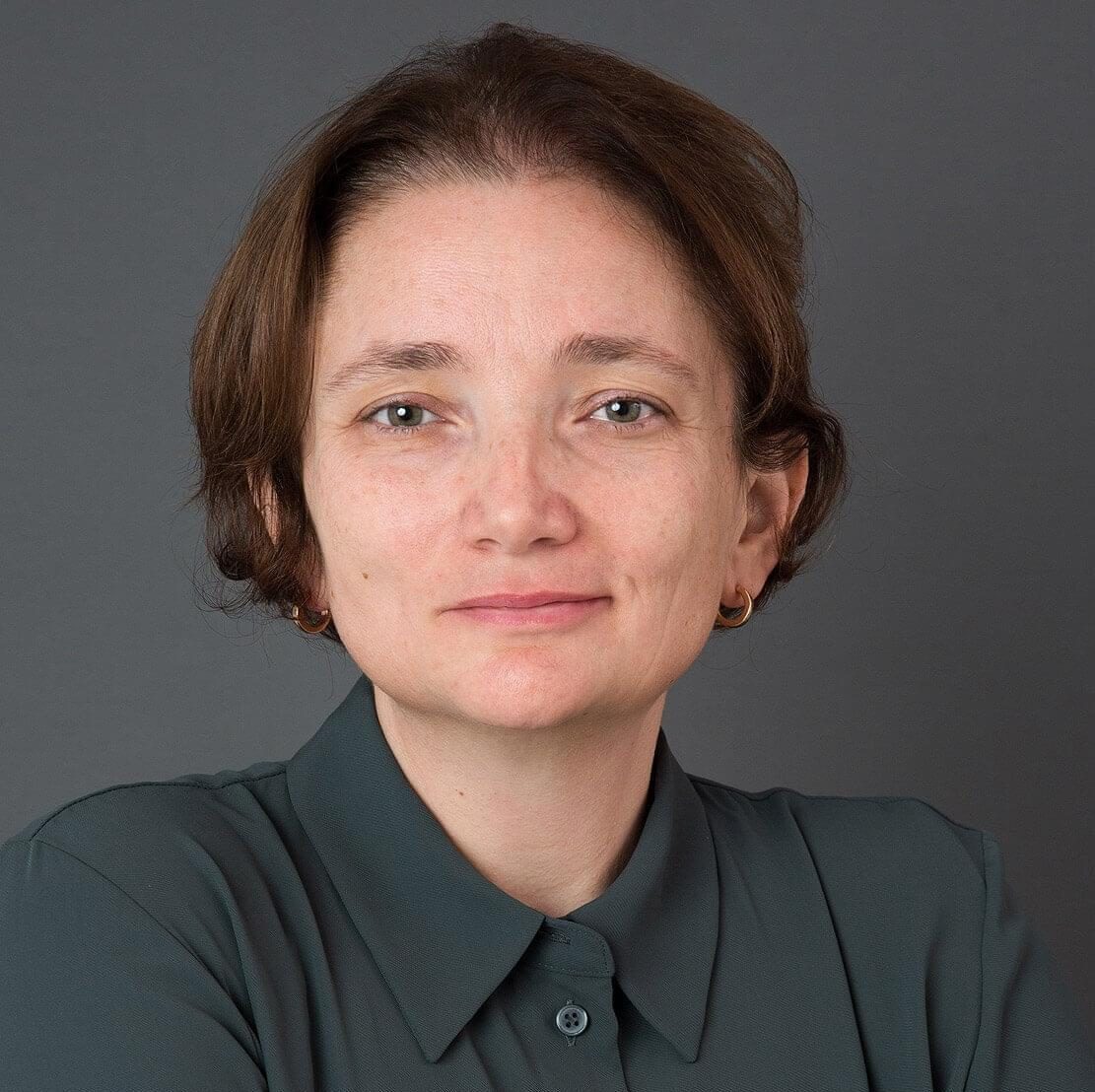
The OPIT Doctorate Supervisors are PhD-qualified professors who guide candidates throughout their research journey. They help define research topics, develop sound methodologies, and monitor progress while ensuring work is conducted responsibly and to high academic standards. Each candidate works closely with an eligible supervisor who provides continuous academic mentorship, research direction, regular progress reviews, and support toward achieving publication and meaningful impact.


Programme Structure
The programme comprises 180 ECTS and combines academic coursework with supervised applied research leading to a doctoral dissertation.
Year 1 (60 ECTS): Coursework covering foundational and applied topics in Artificial Intelligence and Technology Management.
Year 2 (60 ECTS): Development of the research proposal and preliminary research under academic supervision.
Year 3 (60 ECTS): Completion of the research project, dissertation submission, and final defence before the Examining Committee.
–
Study Modes
The programme may be completed full-time or part-time.
Full-time: Completed over 3 years following the structure above.
Part-time: Completed over 6 years and designed for working professionals:
Years 1–2: Coursework (approximately two modules per year)
Years 3–4: Research proposal and preliminary research
Years 5–6: Dissertation research, completion, and defence
This course provides a practical foundation in applied research methodology enhanced by AI tools across the full research lifecycle. Students learn to design research for industry-focused problems, define clear questions and impact metrics, and integrate AI into literature review, data collection, and exploratory analysis.
The course covers quantitative, qualitative, and mixed-methods approaches supported by technologies such as large language models (LLMs), automated search, and knowledge graphs. It also addresses ethical, reliability, and bias considerations to ensure responsible and rigorous AI-assisted research.
This course explores how organizations navigate technological evolution and make strategic decisions in an AI-driven world. Students examine technology life cycles, diffusion of innovation, and market adoption dynamics to understand how new technologies create competitive advantage.
The course focuses on aligning AI initiatives with business and societal objectives, while managing technological change through effective governance, risk management, and compliance frameworks. Students also develop foresight and scenario-planning skills to anticipate emerging AI technologies and potential disruptions.
This course offers a deep, cross-sector analysis of current and emerging AI use cases, with a strong focus on business integration and return on investment. Students explore AI applications across healthcare, finance, manufacturing, education, the public sector, and sustainability.
The course examines AI-driven business models, including value creation, monetization strategies, and sources of competitive advantage. Through case studies of both successful and failed AI deployments, students identify practical lessons and common pitfalls. Participants also learn how to measure, evaluate, and effectively communicate AI’s impact to diverse stakeholders.
This course provides an accessible, high-level overview of AI’s major verticals, equipping students to collaborate effectively with technical teams and make informed strategic decisions.
Students explore key domains including Natural Language Processing (NLP), Computer Vision, and Predictive Analytics, with a focus on practical integration and business applications. The course also introduces frontier areas such as generative AI, multimodal models, and reinforcement learning, highlighting their emerging applied potential.
Emphasis is placed on understanding capabilities, limitations, and real-world deployment considerations rather than technical implementation details.
This course guides students in developing a research proposal on technology topics aligned with OPIT’s core research areas. Students prepare a detailed write-up summarizing the state of the art and outlining their proposed project.
The proposal is planned and discussed with a Supervisor, who evaluates the work. Final approval involves the Doctoral Committee, ensuring the project meets rigorous academic and strategic standards.
After approval of the Research Proposal, students conduct a Preliminary Research Investigation to assess the feasibility of their project and gather initial evidence or data.
This phase allows refinement of the proposal based on insights from the preliminary analysis. The investigation is evaluated by the Supervisor and the Examining Committee to ensure academic rigor and practical viability.
The Capstone Research Project and Doctoral Dissertation represent the final stage of the programme. After successfully completing all taught modules and the approved research proposal and preliminary investigation, doctoral candidates undertake an independent research project under academic supervision.
The final assessment consists of a written doctoral dissertation (approximately 60,000–80,000 words or equivalent applied research output) and a formal oral defence before an examining committee.
The Professional Doctorate is built around six interdisciplinary research tracks, each spanning a distinct frontier of applied AI. You bring the domain expertise; the programme gives you the research rigour and supervisory support to turn it into doctoral-level impact. Choose the track that fits where you work and where you want to lead.
Build the next generation of intelligent systems, foundation models, and explainable AI applications — pushing the boundaries of what AI can reason about and do.
Develop AI solutions that improve patient outcomes, enhance diagnostics, and support clinical decision-making in one of the highest-stakes domains for applied AI.
Design secure, resilient, and trustworthy AI systems — ensuring that as AI becomes more powerful, it also becomes safer and more accountable.
Explore how AI fundamentally reshapes organisations, business models, and leadership — and lead the transformation from the inside.
Create intelligent experiences at the intersection of AI and immersive technologies — where humans and machines interact in entirely new ways.
Deploy AI where it matters most — at the edge, in the cloud, and across complex distributed environments — enabling real-time intelligence at scale.
Talk to one of our study advisors — we'll help you find the right match.
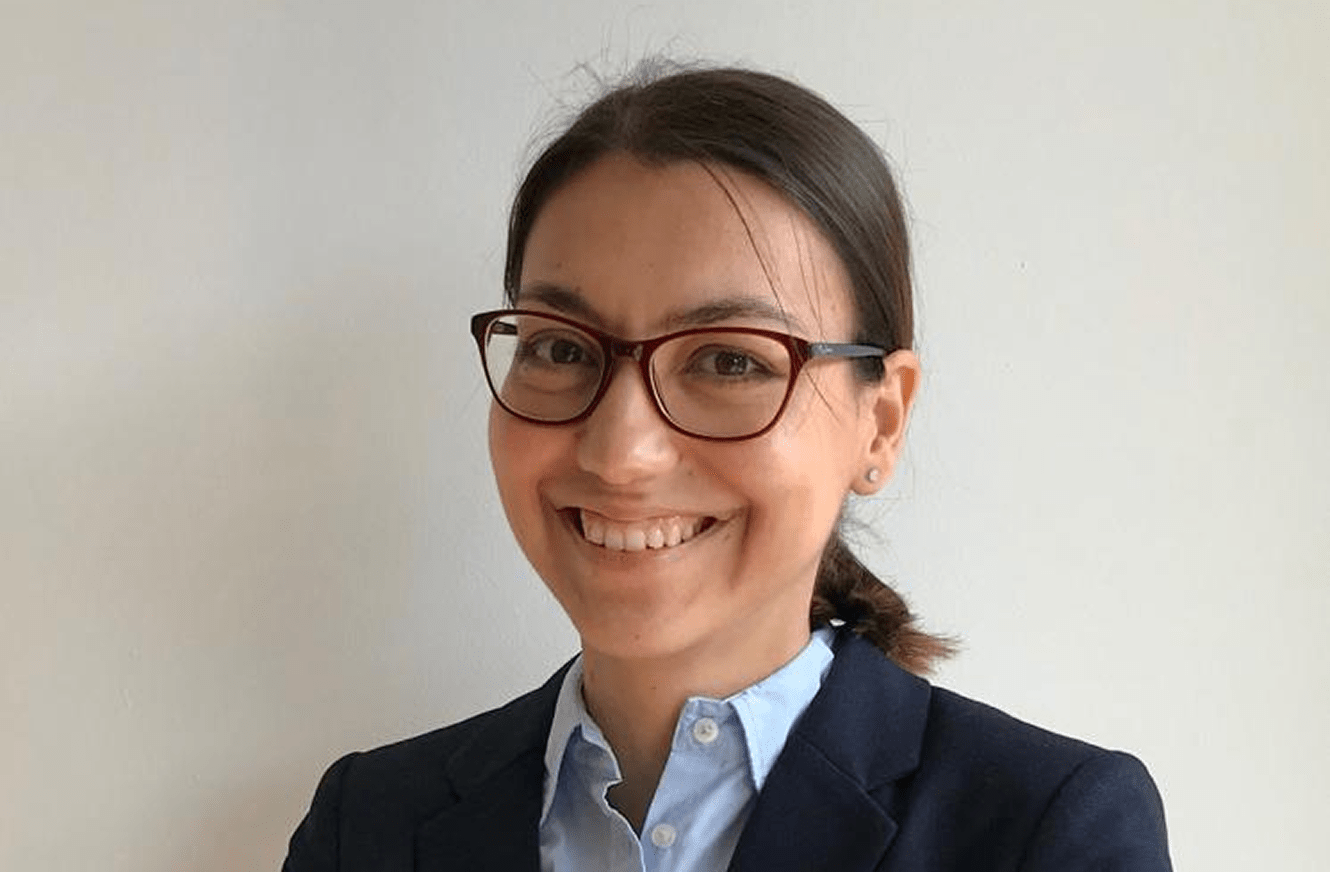
The Program Manager oversees the coordination of the doctoral programme and serves as the primary point of contact for administrative and programme-related matters. From onboarding to graduation, they support study planning, monitor academic milestones, and work closely with supervisors and the Doctoral Committee to ensure smooth progression throughout the doctorate. Personalized support is available through regular updates and virtual office hours.
"I am here to guide doctoral candidates through every stage of their academic journey, ensuring they have the support, resources, and structure to succeed in their research and reach their future goals."
Catalina Dumitru, PhD
Doctoral Program Manager
Candidates for this Doctorate should have a strong technical foundation. This includes a Master’s degree in a STEM field, or a Master’s in a non-STEM field with at least five years of relevant professional experience in areas where AI has significant impact.
Use the "Apply now" button and fill out the form.
Upload your CV, Statement of Purpose and other required documents.
Attend an interview with the Admissions Committee.
Upon admission, sign the contract and pay the deposit.
Our fees start at an affordable rate per term. Plus, online learning will save you money as you won't need to relocate to pursue your doctorate.
Our course fees are all inclusive, with no hidden charges.
Candidates may receive support through employer sponsorship or professional development funding.
Visit our FAQ page or get in touch with us!
Write us at +39 335 576 0263
Get in touch at hello@opit.com
Talk to one of our Study Advisors
We can speak in: